Top 10 Universities in USA for Robotics Engineering in 2026
By Anil Singh Bartwal · Updated 2026
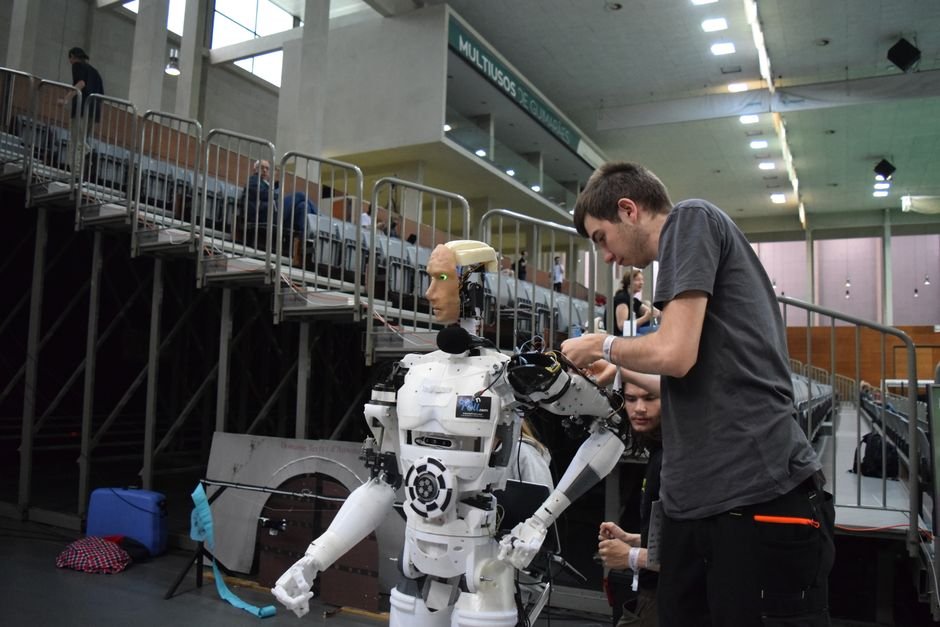
Robotics engineering has moved from a niche specialty to one of the most in-demand fields in modern engineering, powering everything from warehouse automation to autonomous vehicles and surgical robots. The strongest programs combine mechanical design, controls, and machine learning with hands-on lab time building and programming real hardware. If you are researching the top universities in USA for robotics engineering, this ranked guide highlights ten institutions with outstanding programs, explains what sets each apart, and shows how to compare labs and outcomes before you apply for 2026.
1. Carnegie Mellon University
Carnegie Mellon’s Robotics Institute is widely regarded as the birthplace of modern robotics education and remains the field’s most influential research center. Its scale is unmatched, with hundreds of faculty and researchers working across autonomous vehicles, manipulation, and AI. CMU’s ties to industry giants and its history of spinning out successful robotics startups make it the benchmark every other program is measured against.
2. Massachusetts Institute of Technology
MIT’s Computer Science and Artificial Intelligence Laboratory, along with its Mechanical Engineering department, produces cutting-edge research in legged locomotion, soft robotics, and robotic manipulation. Students benefit from extraordinary funding and access to labs pushing the boundaries of what robots can physically do. MIT’s culture of combining rigorous theory with hands-on building makes it a top choice for serious robotics engineers.
3. Stanford University
Stanford’s robotics research spans its AI Lab, Mechanical Engineering department, and the broader Stanford Robotics program, with particular strength in human-robot interaction and learning-based control. Proximity to Silicon Valley gives students direct access to robotics startups and major tech companies building autonomous systems. Stanford’s interdisciplinary culture rewards students who blend robotics with computer science or bioengineering.

4. Georgia Institute of Technology
Georgia Tech’s Institute for Robotics and Intelligent Machines connects researchers across mechanical, electrical, and computer engineering with strengths in field robotics and human-centered robots. The program is known for practical, application-driven research and strong industry partnerships. Georgia Tech’s large engineering school also gives students access to substantial funding and diverse lab options.
5. University of Michigan – Ann Arbor
Michigan’s Robotics Department, one of the few standalone robotics departments in the country, offers dedicated undergraduate and graduate degrees rather than robotics as a subfield of another discipline. The program benefits from Michigan’s deep automotive industry ties, particularly in autonomous vehicle research. Students gain access to substantial testing facilities and a strong alumni network in transportation robotics.
6. University of Pennsylvania
Penn’s GRASP Lab, short for General Robotics, Automation, Sensing and Perception, is a leading center for aerial robotics and multi-robot systems research. The lab’s work on agile drone swarms has been widely influential across the field. Penn’s engineering school pairs this research strength with strong industry connections in the Philadelphia and New York corridor.

7. California Institute of Technology
Caltech’s small, research-intensive environment gives robotics students unusually close access to faculty working on bio-inspired robotics, space robotics, and control theory. Its ties to NASA’s Jet Propulsion Laboratory, which Caltech manages, offer a genuinely unique path into planetary and space robotics research. Small cohort sizes mean more individualized mentorship than at larger programs.
8. University of California – Berkeley
Berkeley’s robotics research spans its AI Research Lab and Mechanical Engineering department, with notable strength in robot learning and manipulation. The program benefits from proximity to the Bay Area’s dense robotics and autonomous vehicle industry, and its public-university tuition makes it excellent value for in-state students. Berkeley is especially strong in combining reinforcement learning with physical robot control.
9. Northwestern University
Northwestern’s Center for Robotics and Biosystems focuses on the intersection of robotics with biology and medicine, including rehabilitation robotics and biomedical devices. The program’s ties to nearby hospitals support strong translational research in medical robotics. Northwestern is a good fit for students interested in robotics applications beyond industrial and consumer settings.
10. Purdue University
Purdue’s robotics programs, spread across mechanical and electrical engineering, benefit from strong ties to aerospace and manufacturing industries in the Midwest. The university’s large engineering school provides substantial lab infrastructure and funding opportunities. Purdue is well regarded for practical, industry-ready robotics training, with graduates well represented in manufacturing automation and aerospace robotics roles.
How to Choose the Right Robotics Engineering Program
When comparing the top universities in USA for robotics engineering, start by identifying whether the school offers robotics as a standalone department, like Michigan, or as a specialization within mechanical, electrical, or computer engineering. Both paths can lead to excellent outcomes, but the structure affects course requirements and how early you can specialize.
Next, weigh lab access, funding, and industry ties. Programs near strong tech or automotive hubs, such as Stanford near Silicon Valley or Michigan near the automotive industry, often translate into stronger internship pipelines. Official tuition, enrollment, and completion data for every school is available from the National Center for Education Statistics (NCES), while career and salary outlooks for robotics-adjacent engineering roles are published by the U.S. Bureau of Labor Statistics (BLS). Ask each program what hardware students actually get to build and test firsthand, not just simulate.
Finally, consider how robotics engineering connects to adjacent engineering fields you might also weigh. Many prospective students compare it against related paths, so our guides to the top universities in the USA for electrical engineering and the top universities in the USA for mechanical engineering can help you compare closely related options.
Before applying, put every program on your shortlist through a practical checklist so the final decision rests on evidence rather than reputation alone:
- Does the program offer standalone robotics degrees or specializations within another department?
- What hands-on lab facilities and hardware are undergraduates actually given access to?
- Which specific labs match your interests, such as aerial robotics, manipulation, or medical robotics?
- What companies and organizations regularly recruit from this program?
- Is funding available for undergraduate or graduate research assistantships?
- What is the realistic net cost after scholarships and in-state tuition discounts?
Final Thoughts
The top universities in USA for robotics engineering combine strong lab infrastructure, active industry partnerships, and faculty pushing the boundaries of what robots can do. Whether you are drawn to Carnegie Mellon’s unmatched scale, Michigan’s standalone robotics department, or Caltech’s JPL connections, the right choice depends on the specific hardware, labs, and industry ties that match your goals. Verify funding, study placement records, and use official data to compare programs honestly. Talk to current students where you can, since they will tell you candidly how much real hardware time the program actually provides. Choose carefully, and you will graduate ready to build the machines shaping the next decade of engineering.